Autism Spectrum Disorder (ASD), often referred to as Autism, is a lifelong neurodevelopmental difference that shapes how a person thinks, communicates, processes information, and experiences the world. Autism is not an illness or a condition to be fixed. It is a naturally occurring and meaningful form of human diversity that influences identity, strengths, preferences, and needs.
The brain of as person with ASD processes information in ways that can be wonderfully unique, sometimes intense, sometimes challenging, and often deeply insightful. Many people describe the experience as having “a different operating system” rather than something being faulty. This perspective is key and a necessary move away from the medicalised, problem-focussed perspective, as it helps shift the conversation from deficit or disorder toward understanding, acceptance, and empowerment.
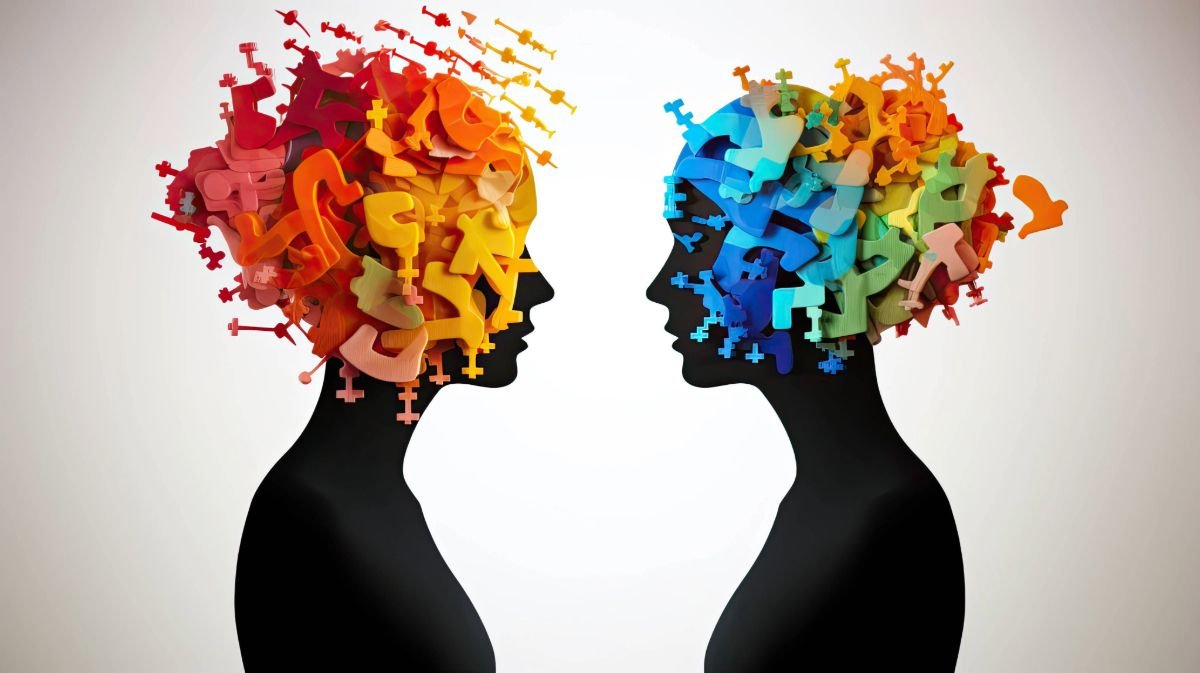
Autism is fundamentally a different way of experiencing and interpreting the world. This can include differences in communication, sensory processing, emotional experience, social understanding, and cognitive style. While these patterns are often grouped under the umbrella of “symptoms,” a neuroaffirmative perspective sees them as meaningful variations in how a person interacts with their environment.
People with autism often think in detailed, highly analytical, or deeply focused ways. This can make them exceptional at pattern recognition, identifying inconsistencies, or immersing themselves in subjects of interest. Many develop expertise in specialised areas because they can absorb information intensely and hold it with remarkable clarity. Their thinking often has depth, precision, and creativity.
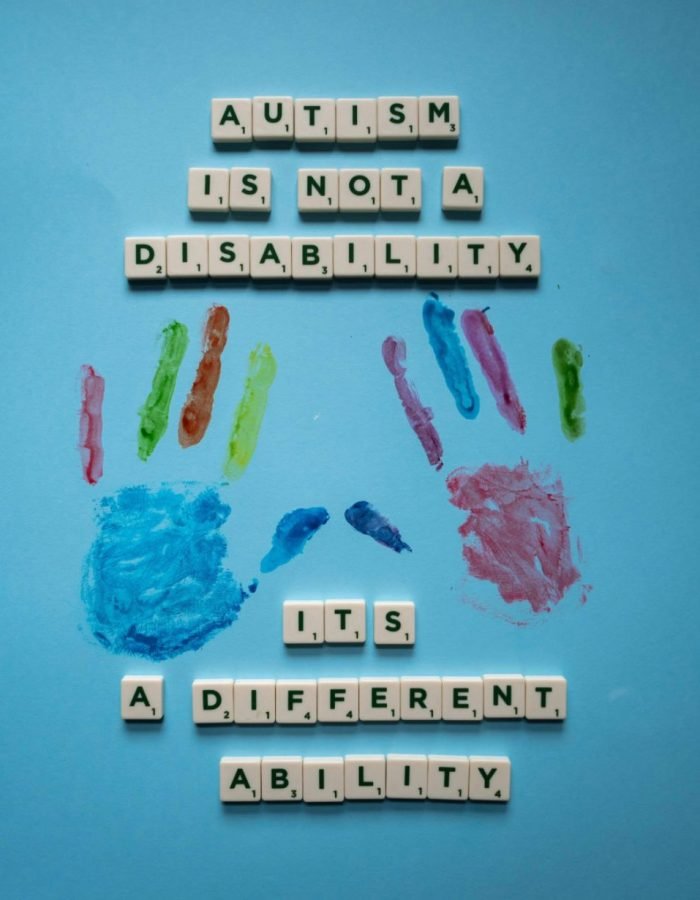
Communication differences in autism are often misunderstood. Many people with the autism prefer directness, honesty, and clarity rather than small talk or ambiguous language. They may need a moment to process information before responding or may take language literally because it feels more straightforward. None of this reflects a lack of empathy or social interest; it reflects a communication style that values authenticity and clarity. When environments allow for this, autistic patterns of communication can be refreshing, grounded, and deeply genuine.
Autistic sensory experiences can be vivid and powerful. Some people perceive sounds, textures, lights, or smells with heightened intensity, which can make daily environments overwhelming or exhausting. Others may seek sensory experiences such as pressure, movement, or rhythmic sounds to stay regulated and calm. These sensory patterns shape how a person moves through the world and can influence comfort, anxiety levels, and overall wellbeing.
Predictability often helps people with autism feel settled and safe. Routines offer clarity and reduce the uncertainty that can fuel anxiety. Sudden changes or unstructured environments may feel disorienting, stressful, or confusing. This is not due to rigidity or inflexibility but because consistency allows the nervous system to relax and function well.
Many people with autism feel emotions differently, but often intensely. They may love deeply, empathise strongly, or react powerfully to overwhelm or injustice, and this may not always make sense to those around them. Emotional burnout can occur when social demands, sensory overload, or masking accumulate over time. Deep empathy is common among autistic individuals, though it may be expressed in ways or towards things that differ from neurotypical expectations.
Autism is lifelong. Some people are recognised as autistic in early childhood; others only come to understand themselves as autistic much later. Late-identified individuals often describe the diagnosis as validating and clarifying as it provides a way to make sense of lifelong experiences that previously felt confusing or unexplained.
Submit your details today and a message on how we can help and one our friendly team will make contact with you soon.
Autism is often misunderstood, and many common assumptions are inaccurate.
Like anyone, people with autism can show behaviours that lead to difficulties at home, school, work, or in relationships, and can be challenges for themselves as well as others. These behaviours are better understood as a form of communication, shaped by sensory demands, stress, fatigue, anxiety, or differences in information processing and communication. They can reflect needs, coping strategies, or attempts to communicate. It is important not to consider these as simple misbehaviour or defiance.
Autism is fundamentally a different way of experiencing and interpreting the world. This can include differences in communication, sensory processing, emotional experience, social understanding, and cognitive style. While these patterns are often grouped under the umbrella of “symptoms,” a neuroaffirmative perspective sees them as meaningful variations in how a person interacts with their environment.
Autism is neurobiological. It is not caused by how someone was raised, and it is not something to blame on external factors. Parenting cannot prevent or ‘cure’ autism, and trauma does not cause it. There are many theories and assumed contributing factors that have been found to be commonly associated with autism, but there has not been a single, unifying known cause found.
Empathy in people with autism is often profound but can be expressed differently to neurotypical expectations. Difficulties may arise in interpreting social cues or expressing emotions in ways others expect, but emotional depth, care, and compassion are common strengths.
The notion of “mild to severe” autism is outdated and misleading. The spectrum is multidimensional; a profile of strengths, challenges, and support needs that vary across environments, contexts, and stages of life. A person may thrive in one setting while struggling significantly in another.
People with autism continue learning, adapting, and developing throughout life, but autism remains a core aspect of who they are, not something they leave behind or can ‘get rid of’ with therapy.
People with autism continue learning, adapting, and developing throughout life, but autism remains a core aspect of who they are, not something they leave behind or can ‘get rid of’ with therapy.
People with autism may prefer honesty and clarity over social rituals or indirect cues. Sarcasm, hints, or ambiguous expectations can feel confusing or tiring. Many need time to process spoken language or find group conversations overwhelming because of the rapid shifts in attention or competing sensory information. Many want connection but find socialising exhausting, unpredictable, or full of invisible rules.
Sensory experiences can shape daily life significantly. A person may be highly sensitive to noise, lights, textures, or crowds, leading to overwhelm or withdrawal. Others may seek out repetitive sensory input, such as rocking, fidgeting, or touching particular textures. These activities can help someone to feel calm or focused. Sensory needs are personal, valid, and central to wellbeing.
People with autism often show deep focus on subjects they care about, excellent memory for details, and strong analytical abilities, but not everyone; again, experiences are very different. Many may prefer routines or rituals because these reduce uncertainty. Transitions between tasks or shifts in expectations can be difficult because they require rapid cognitive reorganisation. These patterns reflect an intense and thoughtful cognitive style, not inflexibility.
Emotions can be vivid, strong, and immediate. Some people with autism experience rapid escalation of feelings followed by exhaustion. Social or sensory environments may drain emotional energy quickly, requiring longer recovery times. Misunderstandings from others can contribute to frustration, sadness, or a sense of being misinterpreted.
Masking refers to hiding or modifying traits of autism to appear more comfortable in environments that may not actually feel safe or natural. This can include rehearsing how to behave, imitating others, suppressing stimming, forcing eye contact, or working extremely hard to avoid mistakes or misinterpretation.
Although masking may help a person navigate certain situations, it often comes with significant psychological and physical costs. Chronic masking can lead to exhaustion, heightened anxiety, depression, and autistic burnout (a state of severe fatigue and emotional collapse resulting from prolonged effort to cope in environments that do not accommodate autistic needs).
Understanding masking allows individuals to recognise how much energy they have been investing in appearing “typical” and encourages a shift toward authenticity and environments that support their wellbeing. Understanding and navigating this is often one of the key benefits of therapy for people with autism.
Masking refers to hiding or modifying traits of autism to appear more comfortable in environments that may not actually feel safe or natural. This can include rehearsing how to behave, imitating others, suppressing stimming, forcing eye contact, or working extremely hard to avoid mistakes or misinterpretation.
Although masking may help a person navigate certain situations, it often comes with significant psychological and physical costs. Chronic masking can lead to exhaustion, heightened anxiety, depression, and autistic burnout (a state of severe fatigue and emotional collapse resulting from prolonged effort to cope in environments that do not accommodate autistic needs).
Understanding masking allows individuals to recognise how much energy they have been investing in appearing “typical” and encourages a shift toward authenticity and environments that support their wellbeing. Understanding and navigating this is often one of the key benefits of therapy for people with autism.
Many people seek an autism diagnosis to gain clarity and a common language to explain lifelong experiences. Diagnosis can validate feelings of difference, reduce self-blame, and allow individuals to understand themselves with greater compassion. It often opens the door to practical support at school or work, access to adjustments, and a sense of belonging within the autistic community.
For some, receiving a diagnosis explains decades of confusion, masking, or internalised shame. It provides a framework for understanding how they navigate the world and offers pathways to support, strengths-based growth, and improved relationships.
Autism is a meaningful and valuable neurotype. Understanding it allows individuals, families, and communities to create environments where people with autism can flourish rather than struggle. Whether you are exploring autism for yourself, your child, or someone you care about, learning about autistic experiences can foster deeper compassion, confidence, and connection.
If you are beginning to recognise parts of your own or your child’s experience in what you’ve read, you are welcome to explore things further at your own pace. But once again, autism can express itself in a wide variety of ways, so if you are unsure of questions, you can contact us to discuss your thoughts or if you are considering an autism assessment. We’ll be sharing more information soon where you can learn about our upcoming Living and Thriving with Autism programme (a space designed to help autistic individuals and families build understanding, confidence, and everyday strategies).