
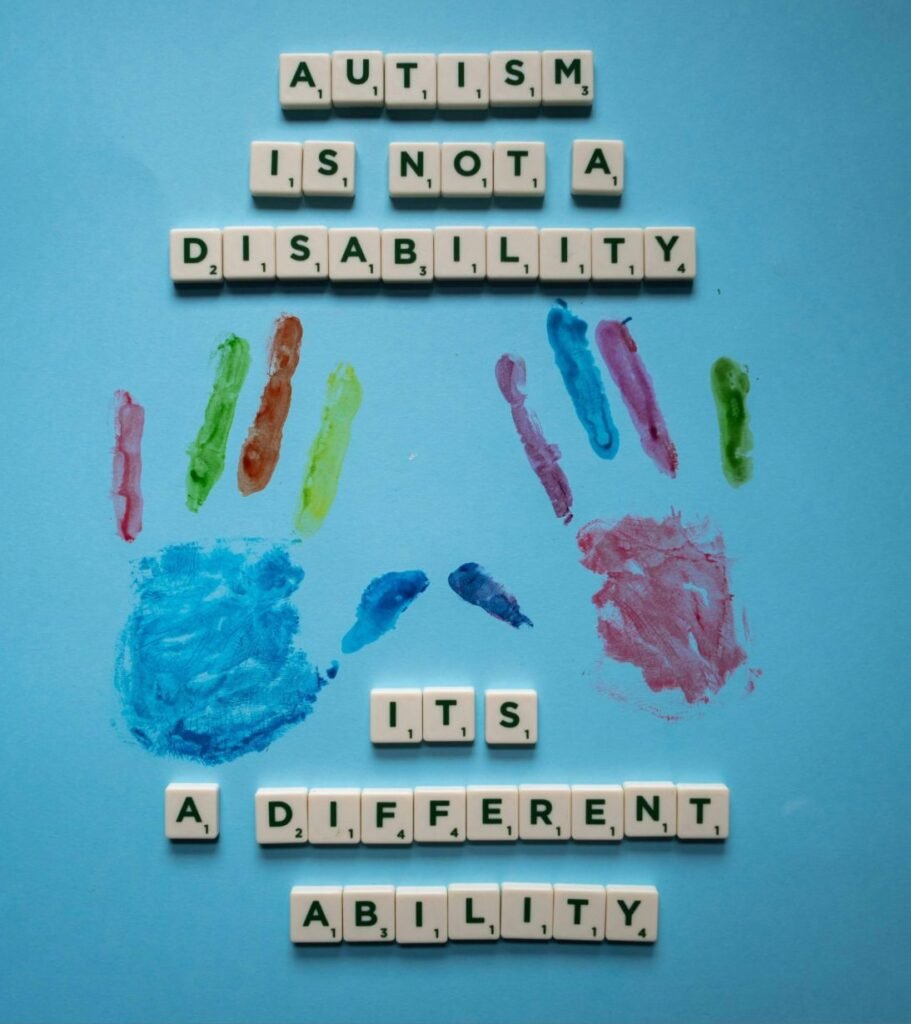
What is Autism?
Autism, or autism spectrum disorder (ASD) refers to a natural set of neurodevelopmental differences. It refers to a distinct way of thinking, communicating, and experiencing the world. If you’re considering an autism diagnosis for yourself or your child, you may have noticed differences in social understanding, communication, sensory experiences, or a preference for routines, predictability, or focused interests. These aren’t faults or deficits; they’re part of how an autistic mind works. Our autism assessment team and an autism diagnosis can help you understand and appreciate these differences, bringing clarity, self-acceptance, and a sense of how to move through the world in a way that truly suits you, so that you or your child can thrive with confidence.
Many people reach adulthood before realising that their experiences align with the ASD profile, especially if they’ve learned to ‘mask’ or adapt over time. Autism is lifelong, but the right understanding and support can make an enormous difference to confidence, wellbeing, and daily life.
An autism assessment, sometimes referred to as an autism test, helps you make sense of these patterns with clarity and compassion. It offers a chance to explore your strengths, needs, and identity with our specialist autism team who understand the full diversity of autistic experience.
If you’re unsure whether an autism assessment is right for you, you’re in the right place. The information below will help you to get a feel for the process, and please do contact us and we will happily talk it through with you to answer any questions you may have.
More detailed information can be found in our understanding ASD article.

NICE guidelines recommend that an autism diagnosis should be given based on a comprehensive assessment of ASD, which includes a multi-component assessment process, using validated assessment tools. The assessments for adults and children are largely the same, but use different levels of the same assessment tools.
The first stage of the assessment is a detailed developmental interview. The interview covers many aspects of general development and assesses for behaviours specific to the autism spectrum. This part of the assessment is typically completed with an informant that has detailed knowledge of the person being assessed, ideally from birth or early childhood. To carry out this part of the assessment, NICE guidelines recommend the use of either the Autism Diagnostic Interview – Revised (ADI-R) or the Diagnostic Interview for Social and Communication Disorders (DISCO) to gather the necessary information about a patient’s developmental history and the core signs and symptoms of autism. This stage of the assessment typically takes up to 2-3 hours.
The second stage of the assessment requires a direct clinical observation. NICE recommends that the Autism Diagnostic Observation Schedule (ADOS-2) is used to structure a direct clinical observation of the person being assessed. The aim of this part is to provide a standardised assessment and algorithm-based scoring procedure to support formal diagnosis. This stage of the assessment typically take 60-90 minutes
The final stage of the assessment includes any extra assessments, tools or meetings to build a more detailed understanding. For adults, this may include assessments of social camouflage (‘masking’). For the assessment of children, this may include additional observations required in natural settings, such as in school or other settings, and brief interviews with their teachers (if necessary).
Contact Springdale Psychology today to schedule your private comprehensive ASD assessment and take the first step toward understanding and managing ASD effectively.
If someone meets the diagnostic criteria for autism, it means that they have identified a lifelong neurotype; a way of thinking, feeling, and experiencing the world that has always been part of who they are. Receiving a diagnosis can offer clarity and language for experiences that may never have fully made sense, helping a person understand themselves with greater confidence and self-compassion. It also helps the people around them, family, friends, teachers, colleagues, to appreciate their strengths, recognise their needs, and offer support in ways that genuinely fit.
A diagnosis can open doors to additional services, funding, or benefits, and it often encourages workplaces and educational settings to put reasonable adjustments in place. Most importantly, it can empower an individual to advocate for themselves, reduce self-blame, and connect with communities and environments where they can thrive.
NHS waiting lists for ASD assessments vary depending on where you live and the level of funding your local services receive to carry out these assessments. As a result, NHS waiting lists are often over a year and in many situations, many years. However, we do not have a waiting list for privately funded assessments with Springdale Psychology, and aim to complete the full assessment in under 10 weeks.
The diagnostic process for ASD involves at least 5 different appointments: the Initial Assessment; either the DISCO or ADI-R; the ADOS; and a feedback session. To complete all these sessions, it can take a number of weeks, depending on available appointment dates for both the patient and the professionals. However, if you choose to, and if full day appointments are available, it is possible to complete the whole assessment in one day.
A report will also be produced. We ask that you allow up to 2-3 weeks following the final assessment session for the report to be produced. Following this, a feedback session will be held to discuss the results and the contents of the report when you are ready.
We understand there are some circumstances where this may not be possible (and sometimes not appropriate) to involve someone in the assessment who has known you since early childhood (or birth). Any difficulties or reservations with this can be discussed at the initial consultation and screening appointment, and we can make a plan for this together. In these situations, we can complete the necessary interviews with you and analyse the results based on current behaviour algorithms.
At Springdale Psychology, we only provide the gold standard approach to autism assessments in line with NICE guidelines outlined above. Our assessments are delivered by a trained and experienced multidisciplinary team of professionals.
If its important to share the outcome of your assessment with anyone, such as schools or employers, it may be advisable to check with these services to make sure they are aware that you are thinking of getting a private diagnosis and that they will accept the outcome. However, if other services or professionals question your assessment, we are happy to consult with you and them. We will aim to help them better understand the assessment process and outcomes to ensure that the outcome is accepted.
The decision to tell anyone about the results of your assessment is completely within your control; it will only be shared by us with people you wish to share it with.
It is never too late to get a diagnosis!
Many people with autism, especially women, are diagnosed later in life. This is often because the difficulties they experience only become clear when the pressures of life make it harder to cope or to hide their difficulties. A diagnosis can help to increase understanding and help you to work on any areas that you find challenging within your life. Learning about autism and understanding your autism diagnosis can help you at any age and any stage in life.
Following diagnosis, you will receive a comprehensive report with our recommendations. We will either offer you further support with Springdale Psychology, or we can refer you back to your GP with recommendations for further referrals, should this be suggested and desired. We will also advise on sources of support that you can seek for yourself, should you wish to do so.
Masking, or Social camouflage, refers to the act of consciously or subconsciously concealing one’s true thoughts, feelings, or traits to fit in or conform to social norms and expectations. This behavior often involves the adoption of compensatory strategies, masking techniques, and assimilation efforts, especially by individuals who may feel different or perceive themselves as not fully accepted by their social environment. Social camouflage can lead to challenges in authentic self-expression and may be particularly prevalent among individuals with conditions such as autism spectrum disorder or those who feel a sense of social disconnection.
All assessments begin with an Initial Consultation and Screening Appointment (£150). This session gives you the opportunity to talk through your questions, explore whether a full diagnostic assessment is the right next step, including completion of formal screening tools, and a chance to understand what the process would involve. There is no obligation to continue beyond this stage, and if you choose not to proceed, the £150 consultation fee is the only cost.
If you decide to go ahead, our full autism diagnosis assessment package is £1,950. This includes everything involved in a high-quality, multidisciplinary evaluation:
There are no hidden or unexpected costs. If any optional additions are recommended, we will discuss these clearly and transparently with you before you make any decisions.
Payment Options:
You can choose to pay in full, in instalments, or via private health insurance (if your policy covers autism diagnostic assessments). We can provide any documentation required to support insurance claims. We aim to make the process clear, supportive, and collaborative, giving you the information you need at each stage so you can move forward with confidence.
You can self-refer to our service by filling in the form here – ASD Assessment Form
We will need the name of the person being referred, their date of birth, home address and contact details (phone and email if possible). It will also be helpful to receive a brief description of the current difficulties and reason for the referral. Once we have received your message, we will contact you to discuss your needs and further explain the process of assessment. Following an initial conversation, we will arrange an initial assessment with one of our clinicians in order to discuss how best to proceed, which may include a screening assessment to determine whether a full Autism Diagnostic Assessment is required.
Referrals may also be received by other professionals, such as your GP, social worker or occupational health department. There is no special referral form. We ask that these professionals make contact with Springdale Psychology directly either by telephone on 07522522663 or email at admin@springdalepsychology.co.uk
If you require any further information or would like to discuss the assessment further, please contact us. We look forward to hearing from you.
Our friendly team will be in touch off the back of your form submission to arrange an appointment for assessment.